
You might assume that low testosterone only affects your sex drive.
And while it certainly can, the truth is far more complex—and far more surprising.
Testosterone isn’t just a hormone that powers your libido.
It’s a vital regulator for everything from bone health and red blood cell production to cognitive sharpness and mood stability.
So when your testosterone levels start to dip, the ripple effects can show up in places you may never expect.
Take muscle mass, for instance.
Testosterone plays a key role in protein synthesis, which builds and maintains lean tissue.
When levels drop, so does your body’s ability to create muscle.
That shift not only weakens your physical strength but can also set off a chain reaction affecting metabolism and joint health.
A study published in Scientific Reports found men with low free testosterone were significantly more likely to experience accelerated muscle loss with age.
Another under-the-radar symptom is mood disturbance.
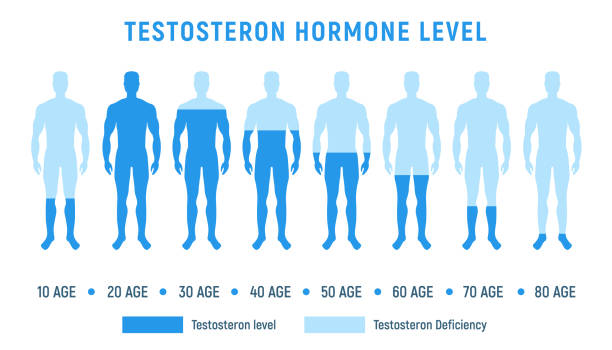
If you’ve felt persistently irritable, unmotivated, or emotionally flat, low testosterone might be part of the equation.
The brain contains testosterone receptors in areas responsible for emotion regulation, like the amygdala and hypothalamus.
When these receptors don’t get what they need, your emotional balance can slip.
A clinical review in JAMA Psychiatry highlighted a connection between testosterone deficiency and depressive symptoms in men.
Then there’s body composition.
Testosterone doesn’t just help build muscle—it helps control fat distribution, especially visceral fat, the kind that wraps around your internal organs.
When testosterone drops, it’s easier to gain abdominal weight, even if you haven’t changed your diet or exercise routine.
Over time, this increase in visceral fat can drive a dangerous cycle, as excess fat further suppresses testosterone production.
You may not experience all these symptoms at once.
For many men, only one or two warning signs appear—and often, they’re easy to attribute to stress, aging, or lifestyle.
But if you’re noticing changes that don’t quite make sense, it’s worth a closer look.
Diagnosing low testosterone isn’t about chasing a perfect number.
It’s about listening to your body, recognizing patterns, and working with a qualified physician to interpret your symptoms alongside morning blood test results.
If low T is confirmed, there are evidence-based treatments available, including testosterone replacement therapy (TRT), that can help restore balance and improve quality of life.
Ultimately, low testosterone isn’t just a men’s health issue—it’s a whole-body issue.
The sooner it’s identified, the sooner you can begin addressing it, and the better your long-term health outlook becomes.