
For decades, synthetic food dyes have brightened the colors of everything from breakfast cereal to sports drinks.
But as public awareness around their potential health effects has grown, pressure on manufacturers to switch to natural alternatives has intensified.
In April 2025, the FDA took a significant step forward, announcing plans to phase out eight synthetic food dyes by the end of 2026.
While this decision marked progress, it did not include an immediate ban.
Instead, companies must voluntarily reformulate their products, a process that could take years—if it happens at all.
According to food policy experts, this voluntary approach has historically delayed meaningful change.
Brian Ronholm, Director of Food Policy at Consumer Reports,
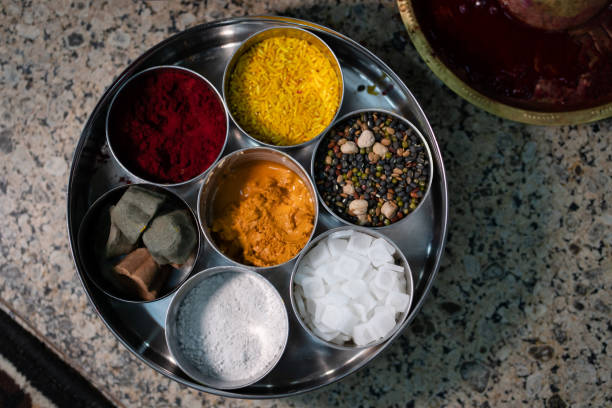
The science behind synthetic dyes remains complex and, at times, inconclusive.
In January 2025, the U.S. officially banned Red No. 3 after studies found it caused cancer in laboratory mice.
However, most other dyes remain legal, and the FDA maintains that it has not found definitive evidence linking them to behavioral issues in children.
This contrasts with policies in the European Union, which has required warning labels on products containing certain artificial dyes since 2010.
Those labels caution that the additives may negatively affect children’s behavior.
Although the FDA has reviewed the available research several times, former director Susan Mayne of the Center for Food Safety and Applied Nutrition acknowledges there is “some science” suggesting behavioral effects in a small subset of children.
While not enough to trigger a ban under current U.S. standards, it’s reason enough, she says, to consider removing the dyes if they offer no critical function and could carry even modest risk.
But natural dyes are not a guaranteed solution.
The shift to natural coloring agents presents real challenges for manufacturers.
Many natural dyes are derived from sources like beets, algae, or even insects, raising concerns not only about safety but also supply chain constraints and allergenicity.
As Mayne points out, natural does not always mean safe.
Some of the most toxic compounds known to science occur in nature, and any plant-based or microbial extract must undergo rigorous safety testing before widespread use.
There’s also the issue of stability.
Natural dyes tend to be less shelf-stable than their synthetic counterparts, which could increase food waste and raise production costs.
For large-scale food companies, reformulating to accommodate these dyes without sacrificing product quality or consistency is no small task.
Critics of the FDA’s phased approach argue that this effort to clean up the food supply would be better spent addressing ingredients with clearer ties to chronic disease, such as added sugars and excess sodium.
However, advocates for dye removal counter that improving public health doesn’t have to be a zero-sum game.
Eliminating unnecessary, potentially harmful additives is a step forward—even if it’s not the only one needed.
Consumers still play a critical role in shaping the future of food.
Growing demand for cleaner labels, better transparency, and safer ingredients continues to influence industry decisions, even when regulation lags behind.
While the timeline for eliminating synthetic dyes may be longer than many hoped, awareness is rising—and momentum is building.
The path to reform may be gradual, but it is underway.