
If you’ve found yourself wondering whether low testosterone is behind your waning sex drive, you’re not alone.
Many men jump to this conclusion, thanks in part to years of persuasive marketing from testosterone product manufacturers.
These campaigns often promise an easy fix: more testosterone equals more desire.
But as it turns out, the truth is much more complicated.
Urologist Dr. Andrew Y. Sun points out that while testosterone certainly plays a role in male libido, it’s far from the whole story.
In fact, most men with mild to moderate low T don’t experience sexual symptoms at all.
And even when low T does affect libido, research suggests testosterone therapy may only provide modest benefits—if any.
Why the disconnect?
Libido is shaped by a complex mix of hormones, brain chemistry, psychological health, and relationship dynamics.
Beyond testosterone, hormones like estrogen, dopamine, and serotonin also play significant roles.
Suppressing estrogen, for instance—something some men do believing it interferes with testosterone—can actually tank libido even further, according to Dr. Sun.
Our endocrine systems function in delicate balance, and tampering with one element can backfire quickly.
Psychological and lifestyle factors often contribute just as much, if not more, to sexual desire.
Stress, anxiety, and emotional disconnection from a partner can dampen libido regardless of testosterone levels.
That’s why experts like sex therapist Eric Garrison caution against viewing T as a magic bullet.
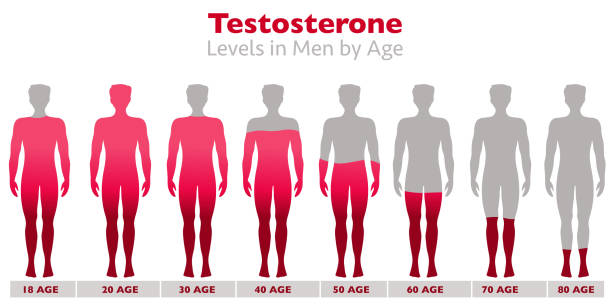
Even for men with clinically low testosterone, it’s important to understand that the body may not respond to T therapy in a predictable way.
Dr. Petar Bajic of the Cleveland Clinic emphasizes that testosterone is a “threshold hormone,” meaning that while you need a minimum amount for normal function, taking more doesn’t necessarily boost libido further.
And there are risks to consider.
Testosterone therapy can suppress your body’s natural production of the hormone and potentially impact fertility.
Dr. Ariel Moradzadeh, who treats hormone-related fertility issues at Cedars-Sinai, notes that many men are surprised to learn that even short-term T use can affect their ability to conceive.
What’s more, the long-term health effects of testosterone use—particularly cardiovascular risks—are still under investigation.
A major study is expected to shed more light on this soon.
So what should you do if your sex drive feels off?
First, start with a comprehensive health check-up.
Conditions like diabetes, thyroid imbalances, or even poor sleep can lower testosterone and libido.
Treating the root cause might reverse the issue naturally.
Second, reflect on your emotional and relational well-being.
Are you stressed, anxious, or disconnected from your partner?
Addressing those areas can have a meaningful impact.
If testosterone does become part of your treatment plan, make sure it’s prescribed and monitored by a knowledgeable healthcare provider.
And consider this: the men who benefit most from T therapy are often those who’ve already laid the groundwork—physically, emotionally, and relationally—for healthy desire.
Testosterone can be a powerful tool for the right man, in the right context.
But it’s not the shortcut we’ve been led to believe.
Your body, and your desire, deserve more than a one-size-fits-all solution.