
As we age, we naturally become more conscious about making healthier food choices.
Recent research reveals that many supposedly healthy foods might be secretly undermining our health efforts.
The British Medical Journal (source: https://www.bmj.com/content/384/bmj-2023-077310) presents compelling research about the health impacts of ultra-processed foods.
The Harvard School of Public Health (source: https://www.health.harvard.edu/blog/ultra-processed-foods-just-say-no-202406173051) provides additional evidence about the dangers of processed food consumption.
Ultra-processed foods have become increasingly prevalent in our modern diet, often disguised as healthy alternatives.
These foods undergo extensive processing that breaks down whole foods into their basic chemical components.
Manufacturers then recombine these components with various additives to create convenient, shelf-stable products.
While some ultra-processed foods are obvious, like chips and sodas, others hide behind healthy-sounding claims.
Breakfast cereals, low-calorie frozen meals, and protein bars often masquerade as nutritious options.
Marketing terms like whole grain, low calorie, and low fat can mislead consumers about the true nature of these products.
Many of these foods contain minimal nutritional value while being packed with sugars, artificial colors, and preservatives.
Recent studies from the British Medical Journal reveal alarming connections between ultra-processed foods and serious health conditions.
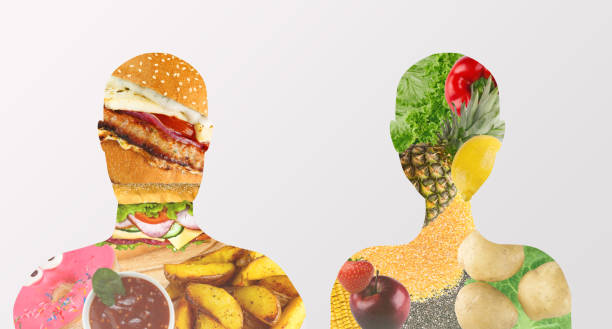
Research shows men consuming the highest amounts of ultra-processed foods face a significantly higher risk of developing colon cancer.
The increased cancer risk persists even when accounting for the lack of nutrients in these foods.
Scientists suspect vegetable oils, common in processed foods, may contribute to increased inflammation.
Another study revealed substantial increases in overall mortality and heart disease deaths among heavy consumers of processed foods.
The research indicates a direct correlation between ultra-processed food consumption and cardiovascular disease risk.
These findings suggest that the processing itself, not just the lack of nutrients, may cause harm.
Occasional consumption of processed foods during social gatherings or travel likely poses minimal risk.
However, regular consumption of ultra-processed foods can significantly impact long-term health outcomes.
Experts recommend focusing on foods that remain close to their natural state.
The best food processing should happen in your own kitchen rather than in industrial facilities.
Making informed choices about food sources helps protect long-term health and wellness.
Small changes in food selection can lead to significant improvements in health outcomes.