
Zinc may be a trace mineral, but its impact on your health is anything but small.
It plays a central role in immune function, wound healing, DNA synthesis, and even supports your sense of taste and smell.
For most adults, daily zinc needs are 8 milligrams for women and 11 milligrams for men, and you don’t need supplements to meet that goal when your plate is filled with the right foods.
Among the most potent sources of zinc are oysters, which deliver more than seven times your daily value in a single 3-ounce serving depending on how they’re prepared.
Fried oysters pack an impressive 74 milligrams, while raw versions offer about 32 milligrams.
This makes oysters one of the richest dietary sources of zinc available today.
Other seafood options, like crab and lobster, offer smaller but still meaningful amounts.
A 3-ounce serving of crab provides over a quarter of your daily zinc, along with added benefits for heart and brain health.
According to the Dietary Guidelines for Americans, eating seafood twice a week is encouraged not just for its zinc content but for its broad range of essential nutrients.
Red meats like beef and lamb are also excellent zinc sources.
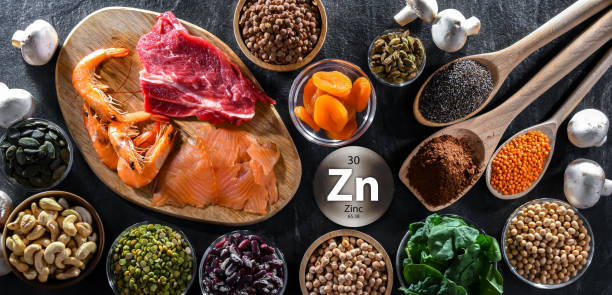
Depending on the cut, you might get between 4 to 10 milligrams in a single serving.
While red meat has its critics, lean and unprocessed cuts are recommended in moderation as part of a balanced diet.
Poultry, too, can contribute meaningfully.
A roasted chicken leg offers nearly 2 milligrams of zinc, and a cup of dark meat delivers around 4 milligrams, bringing you closer to your daily target.
Plant-based eaters can also meet their zinc needs.
Legumes, such as lentils and lima beans, provide between 1 to 3.7 milligrams per serving and come with the added benefit of fiber and plant protein.
Nuts and seeds, particularly pumpkin and sesame seeds, are portable, nutrient-dense snacks rich in zinc.
A small handful of pumpkin seeds offers over 20 percent of your daily needs.
Eggs and tofu offer additional flexibility for those seeking variety in their diet.
A hard-boiled egg delivers about half a milligram of zinc, while a cup of tofu provides nearly 4 milligrams, making it a strong choice for vegetarians or anyone seeking alternative proteins.
Don’t overlook dairy.
Milk, cheese, and yogurt all contain zinc, with a cup of 1% milk or plain Greek yogurt offering close to 10 percent of your daily intake.
These are especially useful in meal planning for families, as they support both calcium and zinc needs in one serving.
Fortified breakfast cereals also play a surprisingly significant role in zinc intake, especially in children and teens.
Some cereals contain up to 3.75 milligrams per serving.
Combined with whole grains like oats and brown rice, which can contribute another 1.4 to 2.3 milligrams, these options make zinc accessible during the most important meal of the day.
A well-planned diet can provide all the zinc your body needs to stay strong, heal efficiently, and support your immune defenses.
Start with a few mindful swaps in your daily meals, and you might be surprised by how easy it is to meet your daily zinc goals—no pills required.