
Spending time in nature can do wonders for your mind and body, but how you engage with the outdoors can make all the difference.
If you’re heading outside to relax, reduce anxiety, or reconnect with yourself, there are ways to make the experience even more restorative.
Research has long shown that being in natural environments supports lower stress, better memory, and improved mood.
But if you’re used to being tethered to screens or navigating daily stressors on autopilot, stepping into nature might feel unfamiliar at first.
That’s why it helps to have some ideas that invite both presence and peace.
Start by simply observing your surroundings.
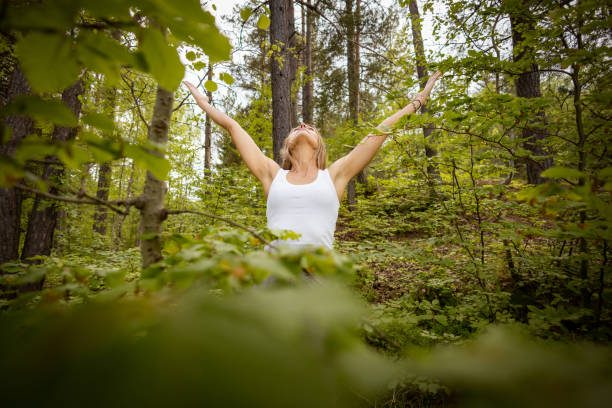
The sights, sounds, and sensations found in natural landscapes can shift your attention away from inner worries and into the world around you.
Whether it’s watching the sunrise, listening to birdsong, or admiring the movement of trees in the breeze, the calming effect is real and measurable.
In fact, studies have found that even just 20 minutes in nature can significantly lower cortisol levels, the body’s main stress hormone [source].
Walking in green spaces brings its own benefits.
Aimless, mindful wandering on a nature trail—sometimes called “forest bathing”—has been shown to lower blood pressure and improve heart rate variability.
And unlike walking on a city street, time in the wilderness gives your brain a chance to rest from overstimulation, creating space for clarity and calm.
Even movement-based activities, like yoga or tai chi, take on added benefit when practiced outdoors.
Immersing your senses in the natural world during exercise boosts serotonin levels and reduces feelings of anxiety.
A study published in Environmental Science & Technology found that exercising in nature improves mental well-being more than doing the same activity indoors [source].
You can also think of the outdoors as your personal meditation studio.
Instead of listening to a guided app, just pause and tune into the wind, the birds, or the sound of your footsteps.
This practice can quiet mental noise and bring a moment of stillness to a hectic day.
Or you might simply lay on the grass with a good book, or gather loved ones for a screen-free picnic.
Nature naturally fosters connection—not just with the planet, but with those around you.
Spending time outside with friends or family improves relationships and increases empathy, and shared experiences in nature create positive, lasting memories.
Need something more hands-on? Try birdwatching or stargazing.
Both are excellent ways to redirect your focus, practice patience, and experience wonder.
Even a beginner’s outing can offer that sense of awe that helps reframe daily stressors in a healthier way.
And if you’re feeling truly adventurous, consider camping—even just for a night.
Sleeping under the stars and waking with the sun can reset your natural rhythms and boost sleep quality.
Research from the University of Colorado Boulder found that a weekend in nature can help realign your internal clock, leading to deeper rest [source].
No matter where you begin, the key is to be intentional with your time outdoors.
You don’t need to climb a mountain or travel far to feel the effects.
Even a short visit to a nearby park can help restore your focus, uplift your mood, and ease the physical symptoms of stress.
So pick one activity to try this week, whether it’s a quiet walk, a yoga session in the park, or watching the clouds drift by.
Let nature meet you where you are—and allow it to do what it does best.
Heal, calm, and restore.
Are you ready to take that first step into the open air?