
Let’s be honest—the supplement aisle at your local store can be overwhelming.
Rows and rows of bottles filled with promises of better health, increased energy, or miraculous benefits can leave you feeling dizzy and unsure of where to start.
With so many options, it’s hard to know which nutrients are truly essential for maintaining your health.
I’m here to help clear things up for you.
The good news is that most people can get the nutrients they need through a healthy, well-balanced diet.
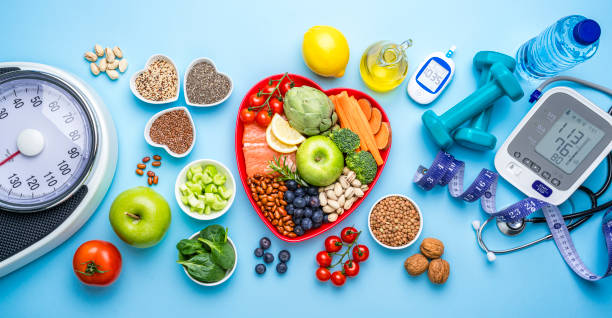
However, not everyone eats perfectly all the time.
Certain vitamins and minerals are crucial for good health, and that’s where supplements can play a role.
So, what are the top nutrients you need to prioritize?
Vitamin D is one of the most important nutrients for your overall health.
Often referred to as the “sunshine vitamin,” vitamin D is essential for maintaining healthy bones and a strong immune system.
Many people are vitamin D-deficient, particularly in regions with limited sunlight.
Spending more time in the sun, along with eating foods like fatty fish, eggs, and mushrooms, can help raise your vitamin D levels.
Vitamin C is another vital nutrient, known for its antioxidant properties and ability to boost the immune system.
It also helps in collagen production and aids in the absorption of iron.
Citrus fruits, bell peppers, and strawberries are excellent sources of vitamin C.
Vitamin B12 plays a crucial role in red blood cell formation and neurological function.
Beef liver, clams, and sardines are great food options to increase your B12 intake.
Folate, or vitamin B9, is essential for DNA synthesis and cell division.
You can naturally boost your folate levels by eating more chickpeas, lentils, and black beans.
Vitamin A is critical for maintaining healthy vision, skin, and immune function.
Good sources of vitamin A include cod liver oil, liver, butter, and goat cheese.
Iron is vital for the production of hemoglobin and the transport of oxygen throughout your body.
To raise your iron levels naturally, try eating more spinach, shellfish, and liver.
However, men and postmenopausal women should be cautious about iron supplementation, so it’s important to consult your doctor first.
Magnesium is involved in over 300 enzymatic reactions in the body, making it essential for muscle and nerve function, as well as energy production.
Foods rich in magnesium include nuts, seeds, legumes, whole grains, and spinach.
Zinc is another nutrient crucial for immune function and wound healing.
You can raise your zinc levels by consuming more meat, shellfish, and dairy products.
Potassium plays an important role in regulating fluid balance, muscle contractions, and maintaining healthy blood pressure.
Bananas, avocados, sweet potatoes, spinach, and coconut water are all excellent sources of potassium.
Instead of feeling overwhelmed in the supplement aisle, focus on these nine key nutrients.
By eating a varied and well-balanced diet, you can naturally support your health.
If necessary, use targeted supplements to fill in any gaps, but always consult with your doctor for personalized advice.
To learn more about the importance of these nutrients, check out the National Institutes of Health and Mayo Clinic.