
If you’re a man over 40, chances are your testosterone levels aren’t what they used to be.
That’s not a flaw in your system—it’s biology.
Testosterone levels naturally begin to decline with age, often dropping about one percent per year after 30.
By the time you’re in your 50s or 60s, you might feel the effects: less energy, slower muscle gains, a dip in libido, and tougher fat loss.
But before you consider costly hormone therapies or extreme supplements, know this—your diet plays a powerful role in reversing that trend.
In fact, research shows that certain nutrient-dense, whole foods can naturally support your body’s testosterone production, especially when combined with quality sleep and consistent exercise.
Let’s start with one of the most accessible and impactful: grass-fed beef.
It’s rich in zinc and saturated fats—two essential elements in testosterone synthesis.
Next up are cage-free whole eggs.
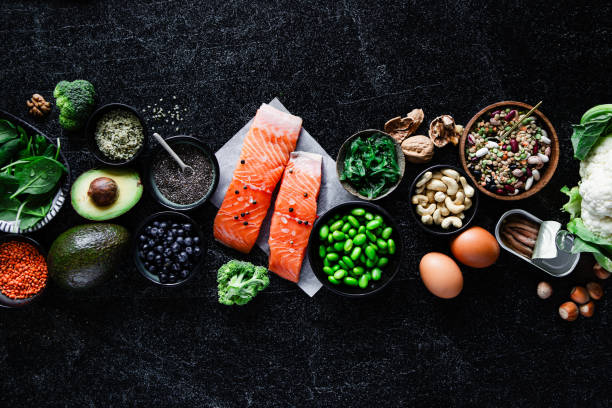
Despite outdated advice to toss the yolks, studies show that dietary cholesterol and micronutrients in the yolk are vital for hormone production.
Eggs also contain vitamin D, which is essential for testosterone synthesis.
Then there are mixed nuts—particularly Brazil nuts, almonds, and walnuts—which offer a convenient way to get minerals like selenium, magnesium, and zinc.
Just a small serving of Brazil nuts can deliver well over your daily requirement of selenium, a mineral that’s been associated with improved sperm quality and testosterone production.
Incorporating pomegranate juice can also offer noticeable benefits.
In a 2012 study published in Endocrine Abstracts, men who consumed pomegranate juice daily experienced a 24% average increase in salivary testosterone levels.
One glass per day is plenty, especially when paired with a low-sugar diet.
Other testosterone-supportive foods like tuna and salmon are valuable for their high vitamin D and omega-3 fatty acid content.
Not only do these nutrients support hormone function, but they also enhance brain health and circulation—two factors directly connected to vitality and performance.
Leafy greens like spinach and cruciferous vegetables such as broccoli and cauliflower help by reducing estrogen levels, restoring a more favorable hormonal balance.
These vegetables support liver detox pathways, helping your body clear excess estrogen and maintain a stronger testosterone profile.
If salads aren’t your thing, powders like TestoGreens provide an easy way to get the benefits of these phytonutrients without the prep.
White button mushrooms are another underrated hero.
They’re packed with zinc and naturally inhibit aromatase, the enzyme that converts testosterone into estrogen.
And if you enjoy dairy, opt for organic, vitamin D-fortified milk.
This type of milk supports testosterone while avoiding harmful additives found in some conventional dairy products.
By strategically choosing these foods, you’re giving your body the raw materials it needs to thrive.
More muscle, clearer energy, better focus, and stronger performance are not things of the past—they’re within reach.
If you’re ready to take your nutrition further, our TestoGreens formula offers a convenient way to load your system with hormone-supporting nutrients, no meal planning required.
You can explore the ingredients and benefits of TestoGreens.
A few smart tweaks to your diet can transform the way you feel and perform every day.
And that’s a shift worth making.