
Ultra-processed foods are everywhere—from the convenience store to your own pantry.
They’re designed to be easy, palatable, and inexpensive.
But growing evidence shows that the more of these foods we eat, the higher our risk of chronic disease and even early death.
A new multinational study published in the American Journal of Preventive Medicine examined diets across eight countries and found that every 10% increase in calories from ultra-processed foods was associated with a 2.7% higher risk of premature death from all causes.
You can read more about the study.
That may not sound like much at first glance.
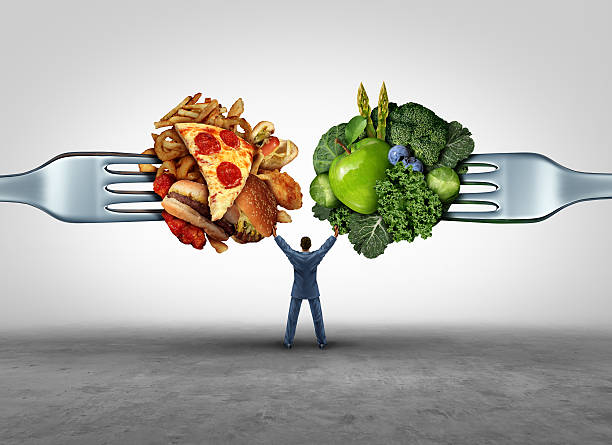
But consider that for someone eating 2,000 calories a day, just 200 of those—roughly equivalent to a soda and a packaged snack bar—could tip the scales over time.
Ultra-processed foods include items like white bread, flavored yogurts with additives, hot dogs, packaged desserts, and sugary drinks.
What makes them so risky isn’t just what they contain—it’s what they displace.
Every bite of these convenient foods often replaces something more nourishing.
Studies suggest that diets high in ultra-processed foods are low in fiber, antioxidants, vitamins, and healthy fats.
These deficiencies contribute to inflammation and poor gut health, both of which are increasingly tied to conditions like heart disease, obesity, and type 2 diabetes.
Offering a possible biological pathway for the long-term damage observed in these populations.
This isn’t about guilt or perfection.
Even researchers caution that most data on ultra-processed food consumption is observational, meaning it cannot definitively prove cause and effect.
But the trends are strong enough—and consistent enough across different populations—to urge a change in how we eat.
The good news is that even modest changes in your diet can lead to measurable improvements in health.
Swapping just 10% of ultra-processed foods for whole or minimally processed options may significantly lower mortality risk, according to findings summarized in this informative.
That could mean choosing steel-cut oats over sugary cereal or enjoying fruit instead of packaged sweets.
These aren’t extreme overhauls.
They’re sustainable shifts that add up over time.
And the body responds quickly when given the nutrients it needs.
Metabolic improvements, better digestion, and more stable energy are often among the first changes people notice when they reduce ultra-processed food intake.
More importantly, these shifts can support a longer, healthier life.
Ultra-processed foods may be the norm in modern diets, but they don’t have to be the default.
A small reduction today can lead to a meaningful difference tomorrow.
It starts with a single decision—one that supports your health, honors your body, and invests in your future.