
When it comes to transforming your body and improving your health, it’s important to understand the difference between weight loss and fat loss.
Although these terms are often used interchangeably, they refer to very different processes — and only one leads to long-term health benefits.
Weight loss simply refers to a decrease in your total body weight.
This change can come from fat, but also from muscle mass, water, glycogen stores, or even the contents of your digestive system.
On the other hand, fat loss specifically targets the reduction of body fat, which is the real goal for most people aiming to improve their health and appearance.
Many people become discouraged when they don’t see the number on the scale change dramatically, not realizing that weight fluctuations can be caused by water retention or muscle gain, both of which are normal and healthy responses to proper nutrition and exercise.
In fact, water accounts for about 50–60% of your body weight, and it can shift quickly depending on your sodium intake, hydration level, and carbohydrate consumption.
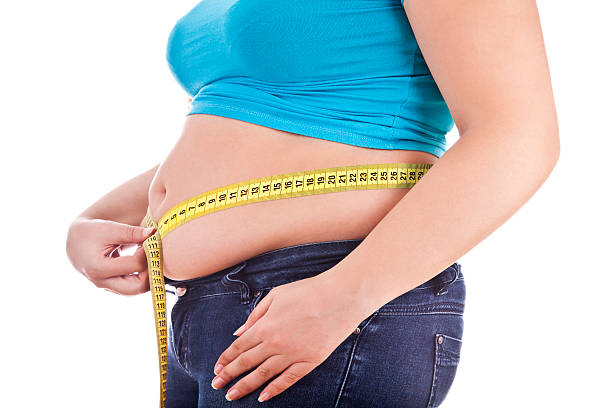
But losing water weight is not the same as losing fat — and it’s certainly not as valuable to your long-term health.
One of the risks of focusing solely on the scale is that it can encourage habits that lead to muscle loss.
This is a problem because lean muscle mass is essential for a healthy metabolism, stable energy levels, and injury prevention.
In fact, a 2018 review published in Nutrients highlighted that when people lose weight without a proper exercise and nutrition plan, they often lose both fat and muscle — which can lead to slower metabolism, fatigue, and even emotional challenges.
So what’s the best strategy?
The most effective and sustainable way to lose fat while preserving lean muscle is through a combination of strength training and a protein-rich diet.
Resistance exercises such as lifting weights or bodyweight workouts stimulate muscle growth and protect against muscle loss.
Meanwhile, adequate protein intake helps repair and maintain muscle tissue, especially during a calorie deficit.
Research consistently shows that a high-protein diet — compared to low-carb or high-fiber diets — results in greater fat loss with less loss of lean mass PubMed Central.
It’s also important to be cautious about how you measure progress.
While body weight alone doesn’t reveal your fat-to-muscle ratio, tools like bioelectrical impedance scales, tape measurements, and waist-to-hip ratios can provide a better picture of your body composition.
Even then, it’s best to look at trends over time rather than obsessing over daily changes.
For older adults, fat loss can be even more complicated.
As we age, the natural tendency is to lose muscle and bone density while gaining fat.
This process, known as sarcopenia, increases the risk of chronic diseases and functional decline.
That’s why it’s especially critical for older individuals to engage in regular strength training and eat sufficient protein to support muscle retention.
The good news is that these strategies work at any age.
In summary, chasing a lower number on the scale without considering where that weight is coming from can be misleading and even harmful.
Focusing on fat loss — supported by muscle-preserving habits like resistance training and smart nutrition — is the key to transforming your body in a way that lasts.
It’s not just about weighing less.
It’s about being stronger, healthier, and more capable for life.