
For generations, fermented foods have quietly supported human health, long before gut microbiomes became part of the wellness conversation.
Now, scientific evidence is catching up.
A recent study from the University of California, Davis, published in Applied and Environmental Microbiology, confirms that sauerkraut offers measurable benefits to gut health by protecting intestinal cells from inflammation and damage [source].
The findings reveal what traditional food cultures have known for centuries.
Fermented vegetables, rich in naturally occurring microbes and metabolites, can help strengthen the gut lining and support a more resilient digestive system.
The UC Davis research team compared raw cabbage to several types of fermented sauerkraut—both commercial and lab-prepared—and found a significant difference.
Only the fermented versions preserved the integrity of intestinal epithelial cells under inflammatory conditions.
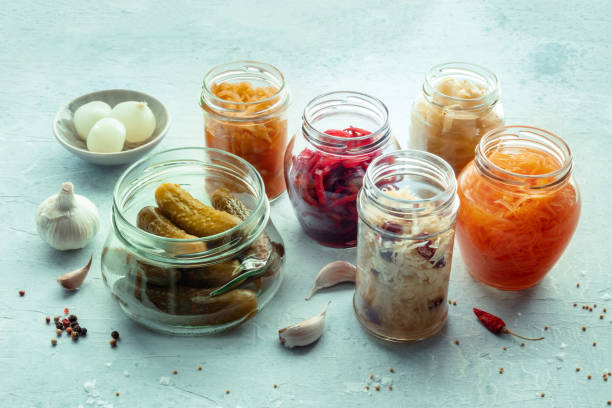
This protection appears to come from compounds generated during the fermentation process, such as lactic acid and amino acids, which also resemble metabolites produced by a healthy gut microbiome.
In essence, when we eat traditionally fermented foods, we’re reinforcing our gut with natural compounds it already recognizes and uses.
Modern medicine has only recently begun to acknowledge the role of the gut microbiome in whole-body health.
It is now understood that an imbalanced gut can contribute to conditions far beyond digestion, including autoimmune disorders, depression, and metabolic diseases.
According to the [National Institutes of Health], ongoing inflammation driven by poor diet, chronic stress, and antibiotic overuse can damage the gut lining, triggering a cascade of negative effects throughout the body.
While conventional treatments often focus on symptom relief, fermented foods offer a preventative approach.
By naturally supporting gut integrity and microbial diversity, these foods help restore balance from within.
What sets fermented whole foods apart from supplements is their complexity.
Products like sauerkraut contain a broad spectrum of live cultures and fermentation byproducts that work together in ways isolated probiotics cannot.
This makes them not only more effective but also more accessible.
A single head of cabbage, sea salt, and a mason jar are all it takes to begin building a microbiome-friendly diet at home.
Fermentation, once a necessity for food preservation, has become a lost art in many industrialized food systems.
Today, most supermarket products are pasteurized or heavily processed, stripping away beneficial bacteria and enzymes.
This shift has coincided with rising rates of digestive issues and chronic inflammation across the globe.
But returning to fermented foods could be part of the solution.
In fact, a [2021 Stanford study] showed that people who ate a diet rich in fermented foods experienced greater microbial diversity and lower inflammatory markers over time compared to those who followed a high-fiber-only diet.
This doesn’t mean fiber isn’t essential.
Rather, the research suggests a synergistic effect when fermented foods are paired with plant-based, fiber-rich meals.
What makes this approach so promising is its simplicity.
No prescriptions, no side effects—just time-tested foods that work with the body’s natural rhythms.
As Dr. Maria Marco, lead researcher at UC Davis, noted, both store-bought and homemade sauerkraut provided gut health benefits, underscoring its accessibility as a functional food.
There is no need to wait for the next wellness trend or pharmaceutical breakthrough.
Supporting your gut can start with a forkful of sauerkraut at lunch, a bowl of miso soup, or a glass of kefir in the morning.
Fermented foods aren’t a silver bullet, but they represent a safe, affordable, and evidence-based way to enhance well-being from the inside out.
The more we learn about the microbiome, the more clear it becomes: returning to the wisdom of traditional diets may offer some of the most powerful tools for modern health.
In a world overwhelmed by quick fixes and complicated health advice, the path forward might be as simple as a jar of cabbage on your countertop.